Mercado Libre makes sense for quickly selling products people are already searching for, because it brings traffic, trust and logistics, in exchange for per-sale fees, strict rules and almost no access to customer data. Your own store requires you to bring in your own traffic, but it gives you margin, brand, data for repeat sales and full control. For most Mexican brands, the healthiest approach is to use Mercado Libre as an acquisition channel and your own store as the relationship and repeat-purchase channel.
- Mercado Libre taps into existing demand; your own store builds demand that belongs to you.
- Mercado Libre's fees vary by category and listing type.
- On the marketplace, the customer belongs to the platform; in your store, they're yours.
- Competing on price alone on Mercado Libre erodes your margin.
- Running both channels requires synchronized inventory.
The core difference: renting traffic or building it
Selling on Mercado Libre is like having a storefront in the busiest mall in the country: people already walk by, they trust the place and they know how to pay. In return, you pay rent on every sale, you follow the mall owner's rules and you compete with the store next door, which sells the same thing, just one click away. (For US readers, think of it as Mexico's Amazon: it's the dominant marketplace in the country and much of Latin America.)
Your own store is your own shop on your own street. Nobody arrives by chance: you have to attract every visitor with ads, SEO, social media or WhatsApp. But every customer who arrives is yours: you have their email, their history and the chance to sell to them again without paying a commission.
That's why the useful question isn't "Which is better?" but "What role does each one play in my business?"
Head-to-head comparison
| Aspect | Mercado Libre | Your own store (Shopify, WooCommerce or custom-built) |
|---|---|---|
| Traffic | Huge, with buying intent from day one | You generate it with ads, SEO, social media and WhatsApp |
| Cost per sale | Per-sale fee based on category and listing type, plus shipping costs and in-platform advertising if you use it | Payment gateway fee and the cost of acquiring traffic |
| Customer data | Limited; you can't contact buyers outside the platform to sell to them | Complete: email, phone, history, marketing consent |
| Brand and presentation | Standard format; your brand competes side by side with others | Design, content and experience your way |
| Price | Instant comparison with other sellers | Less direct comparison if your value proposition is different |
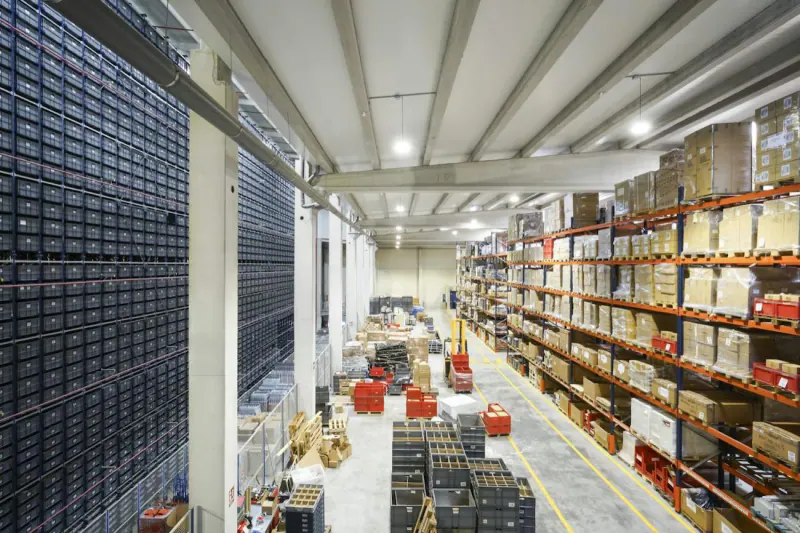
| Logistics | Mercado Envíos and a fulfillment option (Full) in its warehouses | You choose a carrier or local delivery; more work, more control |
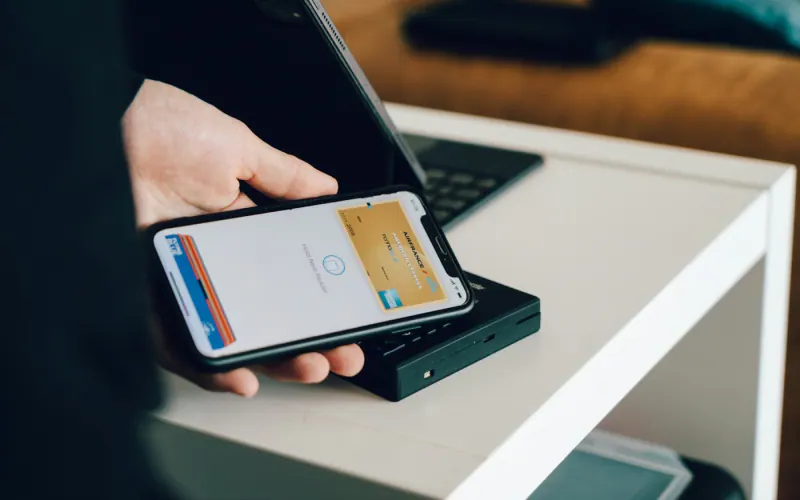
| Payments | Handled by Mercado Pago, with interest-free installments on Premium listings | You integrate gateways: Mercado Pago, Stripe, OXXO Pay, SPEI |
| Rules and risks | Reputation, claims and platform policies can pause your sales | You set the rules; the risk is having no traffic |
A quick glossary for readers outside Mexico: OXXO Pay lets shoppers pay cash at OXXO convenience stores, and SPEI is Mexico's real-time bank transfer system, both widely used by people who don't want to pay by card online.
What you need to know about Mercado Libre before you start
- Listing types: Classic has a lower fee; Premium costs more but offers buyers interest-free installments and more exposure. The exact fee depends on the category and changes over time; check the current table in your account before setting prices.
- Reputation: the color-coded thermometer measures claims, cancellations and late shipments. A bad streak drops you in search results and can restrict your account. That's why it's wise to start with a few products you can serve well.
- Mercado Envíos and Full: with Full you send inventory to their fulfillment centers and they pick, pack and ship; it usually improves your ranking and delivery speed, in exchange for storage costs and less control.
- In-platform advertising: product ads inside Mercado Libre are charged per click. They help you get started, but they add to your cost per sale.
- Contacting buyers: the policies don't allow you to use order data to take customers off the platform. Your relationship stays inside it.
- Invoicing: if the customer requests a CFDI (Mexico's official electronic invoice), you have to issue it yourself. We explain how to automate it in automatic CFDI invoicing.
How to calculate whether it's profitable
Many sellers discover months later that they were selling a lot and earning little. Before you list anything, calculate the real margin of each product in each channel:
- Sale price.
- Minus the channel fee (Mercado Libre or the payment gateway).
- Minus any shipping cost you absorb and packaging cost.
- Minus the cost of the product.
- Minus average advertising per sale (Mercado Ads, Meta, Google).
- Minus expected returns.
What's left is your contribution margin per channel. With it, you can work out how much you can afford to spend on ads per sale; the ROAS calculator does the math and our guide to ROAS, ROI and CPA explains how to read it. It's common for one product to perform better on Mercado Libre (because of the traffic) and another in your own store (because of margin or repeat purchases).
When it makes sense to start with Mercado Libre
- You sell products people already search for by name or model number: auto parts, electronics, tools, home goods.
- You don't have a well-known brand yet or a budget to attract your own traffic.
- You want to quickly validate whether a product sells before investing in large inventory.
- Your product is a one-time purchase with little repeat buying, and the post-sale relationship matters less.
An agricultural parts distributor in Torreón, for example, found buyers across northern Mexico on Mercado Libre who would never have reached its website. That's where the platform plays its best role: opening up markets. Over time, repeat buyers (repair shops and ranches that bought every season) started ordering directly via WhatsApp and through the distributor's own catalog, where it could offer them credit, volume pricing and scheduled deliveries that the marketplace doesn't support. The acquisition channel opened the door; the owned channel made the relationship profitable.
When your own store makes more sense
- You have your own brand with differentiators that don't fit in a standard product listing.
- Your business lives on repeat purchases: coffee, pet food, cosmetics, supplements, consumables.
- You sell from a catalog to businesses, with price lists or recurring orders.
- You want to offer subscriptions, bundles, personalization or experiences the marketplace doesn't allow.
- You already have a social media community or a customer base at your physical location.
To choose a platform, read Shopify vs. WooCommerce vs. custom-built and our list of must-have e-commerce features.
The combined strategy (the one we recommend most)
Most brands that grow in a healthy way use both channels, each with a different role:
- Mercado Libre for acquisition: a catalog of entry-level products, the most searched-for ones, at a competitive price.
- Your own store for the relationship: the full catalog, bundles, special editions, subscriptions and perks for registered customers.
- Packaging as a bridge: in every order, a card with a QR code pointing to your store or your WhatsApp, with a genuine reason to visit (usage guide, extended warranty, community). Always check that this complies with the marketplace's current policies.
- Synchronized inventory: a single inventory feeding both channels so you never sell what you no longer have. There are connectors for Shopify and WooCommerce; for larger operations, a custom system. Microapps like Monkey Inventario help businesses that also have a physical store.
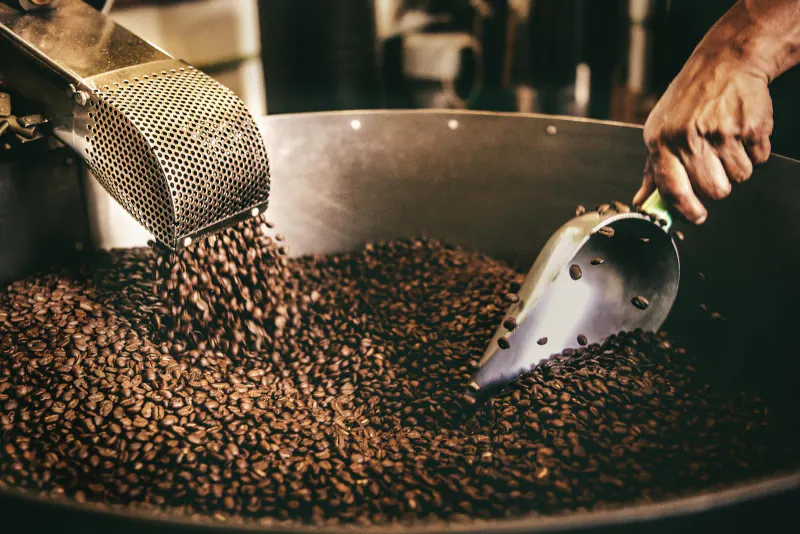
A specialty coffee brand we work with followed exactly this path: the marketplace brought it new customers, and its own store, with a subscription option, captured the repeat purchases.
A 90-day plan to add your own store
If you sell only on Mercado Libre today and want to build your own channel without neglecting the one that already works, this is a sensible order:
Days 1 to 30: the foundation
- Choose a platform and build the store with your 20 to 50 products with the best margin or the most repeat purchases, not the entire catalog.
- Integrate Mexican payment methods (cards, interest-free installments, OXXO cash payments and bank transfer) and set up shipping with clear delivery times.
- Connect GA4, the Meta pixel and the Conversions API from day one.
- Prepare your privacy notice, shipping and returns policies, and invoicing.
Days 31 to 60: your first direct sales
- Launch to your existing customers from your physical store, social media and WhatsApp with a store-exclusive perk.
- Turn on small retargeting and branded search campaigns.
- Set up welcome, abandoned cart and post-purchase emails.
Days 61 to 90: measure and decide
- Compare contribution margin by channel and by product.
- Decide which products stay only on the marketplace, which only in your store and which in both.
- Start a repeat-purchase program: subscription, reminders or loyalty.
For businesses in La Laguna that want in-person support throughout this process, we offer online stores in Torreón, with training sessions so your team can run the store without depending on anyone.
Common mistakes on either path
- Cutting prices to win the buy box until there's no margin left.
- Opening your own store and not investing in traffic: a store with no visitors is a pretty catalog nobody sees.
- Poor photos and product listings: on both channels, the photo and the description do the selling. Read product photography.
- Answering questions late: on Mercado Libre it hurts conversion; in your store, you lose the sale to whoever did answer.
- Not measuring by channel: if you don't know how much each channel earns you, you're deciding blind.
If you want to build your own store or connect it with your other channels, our e-commerce service takes care of the store, payments, shipping and inventory.