Digital marketing for clinics in La Laguna works when it combines three things: showing up on Google and Doctoralia when people search for your specialty, displaying proof of trust such as license numbers, reviews and experience, and making it very easy to book through WhatsApp or online. All advertising must follow the rules of COFEPRIS, Mexico's federal health regulator, and treat health information as sensitive data.
- Patients search by symptom or specialty, then vet the doctor through reviews and credentials.
- Display your professional and specialty license numbers on your website and in your ads.
- Replying quickly on WhatsApp and sending appointment reminders cuts down on no-shows.
- Never confirm in a public reply that someone is your patient.
- Torreón serves patients from across the region; your website should speak to them too.
How patients in La Laguna look for a doctor
A patient's journey in La Laguna usually goes like this: they notice a symptom or get a referral, ask in the family WhatsApp group, search Google for the doctor's name or the specialty ("cardiologist in Torreón," "dentist in Gómez Palacio"), read reviews on Maps or Doctoralia (Mexico's most popular doctor directory and booking site) and, if they feel confident, send a WhatsApp message asking about price and availability.
Two local traits change the strategy:
- Torreón is a regional medical hub. Patients come from towns across Coahuila and Durango, and even from neighboring states. Many search from outside the city, so your website should explain how to get there, where to park and whether there are hotels nearby.
- Word of mouth carries enormous weight. Even when someone arrives through a referral, they almost always look you up on Google "to see if you're any good." If they find nothing, or an abandoned listing, the referral goes cold.
That's why a clinic's marketing doesn't start with ads: it starts with making every step of that journey build trust.
Google, Doctoralia and your own website
Each channel plays a different role, and it pays to have all of them in order:
| Channel | What it's for | What to watch |
|---|---|---|
| Google Business Profile | Showing up on Maps when people search for your specialty nearby | A listing for the clinic and, where applicable, an individual listing for each doctor; accurate hours |
| Doctoralia or other medical directories | Patients who compare doctors and book right there | Details identical to your Google listing; reviews answered |
| Your own website | Explaining treatments, showing credentials and capturing appointments without commissions | One page per treatment or condition, speed and a privacy notice |
| Facebook and Instagram | Brand recall, educational content and campaigns | COFEPRIS and Meta rules for health advertising |
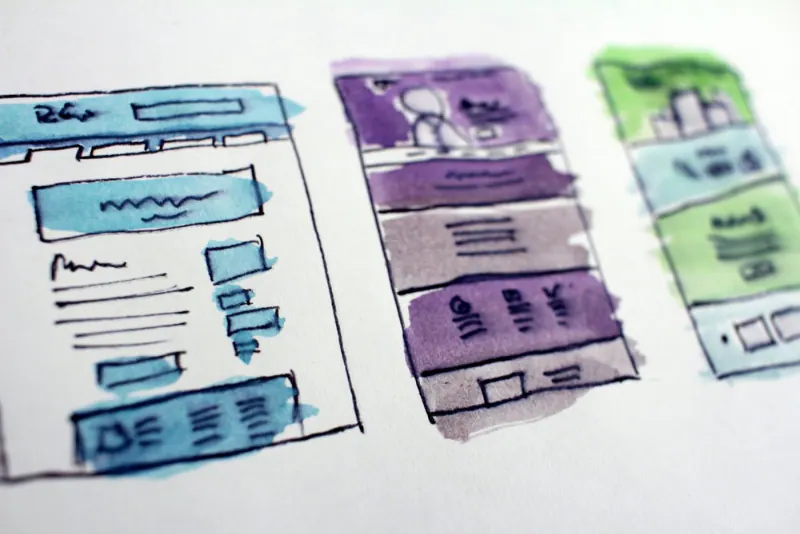
Your own website is the only channel you fully control. A page for each treatment ("root canal in Torreón," "stress test in Torreón") answers specific questions and ranks better than a generic services page. You can see a proven structure in the medical clinic template and the dental template.
How to write a page for each treatment
The treatment page is what brings the most new patients in from Google, and it's also what's most often done badly: a generic paragraph copied from another site and a contact button. A useful page answers the questions patients ask themselves before calling, in this order:
- What it is and who it's for. Two or three sentences, no jargon. "A root canal treats the inside of the tooth when the nerve is inflamed or infected."
- Symptoms or warning signs. What the person feels and types into Google: "pain when biting," "short of breath climbing stairs."
- What the procedure is like. How long it takes, whether it hurts, whether it requires prior tests and how many sessions it needs.
- Recovery and aftercare. What the patient can and can't do that same day.
- What makes the cost go up or down. No figures needed if you'd rather discuss them in person: type of material, number of sessions, included tests or whether insurance covers it.
- Who performs it. The doctor's name, license number, specialty and photo.
- FAQs with short answers that make sense on their own.
Write with a patient from Lerdo, San Pedro or Francisco I. Madero in mind, someone traveling to Torreón just for that appointment: tell them whether they need to fast, how much time to set aside and whether they can drive home the same day. That level of practical detail is what sets apart a clinic that thinks about its patients, and it's also what AI search engines pull from to build their answers, as we explain in our guide to content AI can cite.
Trust signals patients look for
Patients can't judge your skill before the appointment, so they look at indirect signals. The ones that help most:
- Professional and specialty license numbers (cédula profesional, Mexico's federal license to practice) displayed clearly, with the doctor's full name. Besides building trust, Mexico's rules for advertising health services require them.
- Training and board certifications from the specialty's council, explained in plain language.
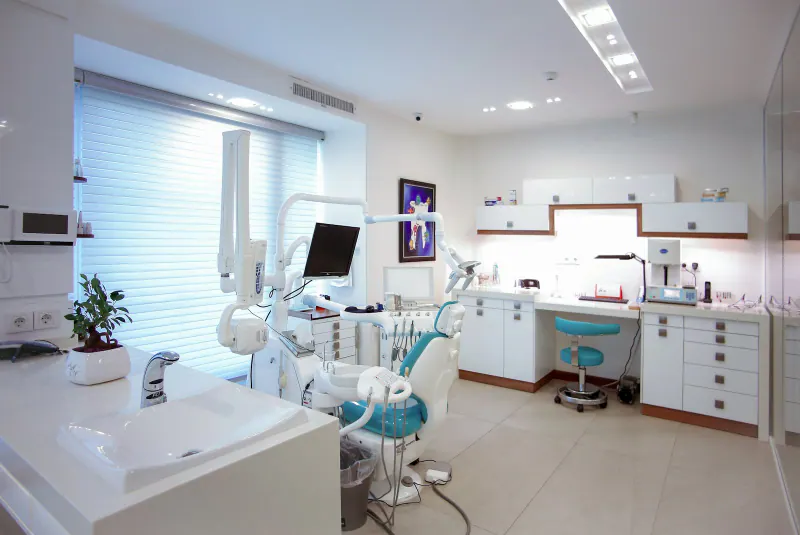
- Real photos of the office, the waiting room and the equipment, not stock images.
- Recent reviews on Google and Doctoralia, answered politely.
- Practical information: whether you accept insurance, payment methods, whether you issue invoices, how to get there and where to park.
- Content written or reviewed by the doctor. Google values demonstrable experience on health topics, as we explain in our guide to experience, expertise, authority and trust (E-E-A-T).
From search to appointment: WhatsApp and online booking
Many clinics lose patients at the very last step: someone sends a WhatsApp message at 9 p.m., nobody answers until the next day, and by then they've booked with someone else. What works:
- An instant reply. An automatic message with your hours, location and a booking link, followed by a real person as soon as the clinic opens.
- Online booking. Let patients see open time slots and book without calling. It works very well for first consultations and cleanings.
- Reminders. A message the day before with the option to confirm or reschedule reduces gaps in your calendar.
- Follow-up. A message a few days later to answer questions and ask for feedback.
MonkeyCitas handles booking and WhatsApp reminders without a complex system. An example close to home: a cardiology clinic in Torreón increased its new appointments from the web by connecting its website, calendar and WhatsApp, as we describe in the Cardiología Integral Nazas case study. For the details of handling patients over messaging, read our guide to customer service on WhatsApp.
Health advertising: COFEPRIS, Meta and common sense
Advertising health services in Mexico is regulated. We're not lawyers and every case should be reviewed, but these practical rules prevent most problems:
- Include the name of the responsible physician and their professional and specialty license numbers.
- Check whether your type of advertising requires a notice to, or a permit from, COFEPRIS before you publish it.
- Don't promise guaranteed results or use phrases like "the best" or "risk-free."
- Be careful with before-and-after photos, especially in aesthetics and dentistry; show real cases with written consent.
- On Meta, health ads come with targeting and measurement restrictions. Don't try to target people by medical condition, and never send health data to the pixel.
What does work very well in ads: short educational content from the doctor, the clinic's location, extended hours and easy booking. Read the Meta Ads guide for businesses in Torreón for the hands-on side of running campaigns.
Privacy: health data and reviews
In Mexico, health information counts as sensitive personal data. The federal personal data protection law, overhauled in 2025, requires you to have a privacy notice and to obtain express consent to process it. In practice:
- Publish your privacy notice on your website and link to it from every form.
- Don't ask for more clinical information in an open form than you need to book the appointment.
- Protect access to the clinic's calendar and WhatsApp; don't share a single phone with no password among the whole staff.
- When replying to reviews, never confirm that the person is your patient or mention their treatment. Keep it general: "Thank you for your feedback. We'd like to talk with you directly; please message the clinic's WhatsApp."
If you use AI assistants to answer messages, read our guide to data privacy when using AI before connecting any patient information.
Seasons and content for clinics in La Laguna
Medical demand in La Laguna follows cycles too. Planning content and campaigns around them pays off more than posting at random:
- January: New Year's resolutions; nutrition, general checkups, cosmetic dentistry.
- Spring: dust-storm and allergy season; allergists, ENT specialists, ophthalmology.
- Summer: intense heat; dehydration, heatstroke, dermatology and sun protection.
- August: back to school; medical certificates for school, pediatrics, eye exams.
- Fall and winter: vaccinations and respiratory illnesses.
Prepare each topic a month ahead: an article published in March for allergy season has time to get indexed and start drawing visits before people begin searching. And remember that a good educational social post works better when it links to a page on your website with the full explanation and a booking button.
Each topic can become a page or an article on your site that answers specific patient questions. That's also the content AI search engines cite. If you'd like help with the full strategy, take a look at our digital marketing service in Torreón.